

| Thermal Insulation:
Benefits of Thermal Insulation
It saves up to 60% of energy, keeps your home cool in summer and warm in winter, protects the building from expansion and cracking, is water- and moisture-resistant, and reduces external noise.
It can last for over 20 years if installed properly by a specialized company, preserving the property’s value and quality.
Importance of Thermal Insulation in Homes
• Significantly reduces electricity bills.
• Extends the building’s lifespan by minimizing thermal expansion cracks.
• Creates a comfortable and healthy living environment.
• Prevents frequent breakdowns of cooling and heating systems.
• At Alkhunaizi Insulation Systems, we have over 30 years of experience in the insulation field. We are committed to providing expert consultation and the best products for both waterproofing and thermal insulation.
• We also guarantee the quality of our products and installation with a 10-year warranty.
Based on our experience, we highly recommend choosing a specialized company for insulation installation.
| Waterproofing:
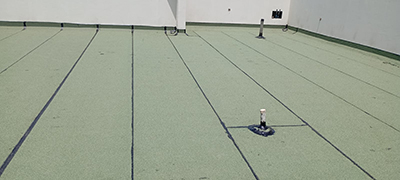
Waterproofing is a layer or material that prevents water and moisture from penetrating the building. It is applied before any finishing works such as tiling or ceramics.
Main Applications
• Roofs
• Water tanks
• Bathrooms and restrooms
• Ground foundations
Importance of Waterproofing in Homes
• Prevents water leakage that can damage furniture and paint.
• Preserves the building’s structure and concrete integrity.
• Protects against humidity, mold, and bacteria.
• Saves on costly maintenance and repair work.
• Essential for obtaining a quality guarantee from contractors and consultants.
Benefits of Waterproofing
• Prevents water penetration into the building.
• Protects roofs and walls from moisture and deterioration.
• Prevents steel reinforcement from rust and corrosion.
• Prevents water leakage into lower floors.
• Especially important in bathrooms and kitchens.
• Prevents tile cracks and lifting caused by moisture accumulation.
• Reduces unpleasant odors caused by dampness.
• Improves indoor air quality.
• Protects the thermal insulation (foam) from direct rain or water leakage.
Types of Waterproofing
1. Bitumen Membranes
• Roll material welded onto the surface using heat.
• Available in 3mm or 4mm thickness.
• Most commonly used for rooftops.
2. Liquid Waterproofing
• Applied with a brush, roller, or spray.
• Includes liquid bitumen, epoxy, or polymer materials.
• Used in tight areas and corners like bathrooms.
3. Cementitious Waterproofing
• A mix of cement-based materials with chemical additives.
• Commonly used in tanks and indoor areas.
| Lightweight Foam:
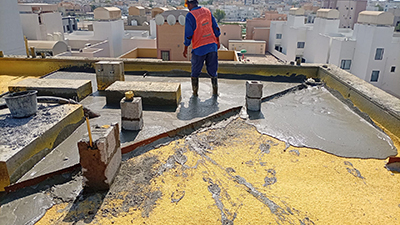
Light Weight Screed
Lightweight concrete (Light Weight Screed) is usually applied over the thermal insulation layer (such as foam) on rooftops. It is an important part of the integrated thermal and waterproofing system of buildings.
Importance of Lightweight Screed in Homes
• Extends the lifespan of thermal insulation by protecting it from damage.
• Improves roof drainage and prevents water pooling.
• Provides a smooth, level surface for applying waterproofing layers or tiles.
• Reduces structural load compared to traditional concrete.
• Helps reduce heat and sound transfer from the roof to the interior.
What is Lightweight Concrete?
It is a cementitious mix that includes lightweight materials such as:
• Vermiculite
• Perlite
• Polystyrene Beads (EPS Beads)
• Special lightweight sand
It is mixed with cement and water in precise proportions, making it much lighter than traditional concrete.
Benefits of Lightweight Concrete
• Protects the foam layer from sunlight, rain, and weather conditions.
• Does not affect the structural integrity of the building and can be used on roofs without excessive load.
• Used to create slopes toward drainage points.
• Provides good thermal and sound insulation properties.
• Enhances the quality of the final finish.
• Non-flammable and does not spread fire.
Tips for Installing Lightweight Concrete
• Must be applied by professionals — incorrect mix ratios may cause weakness or cracking.
• Ensure uniform thickness and proper slope for drainage without water pooling.
• Maintain a 1–2% slope toward water drains.
• Allow it to dry completely before applying waterproofing (usually 3–5 days, depending on weather).
• Apply on a clean, prepared surface to ensure proper adhesion and stability.
| Polystyrene Foam:
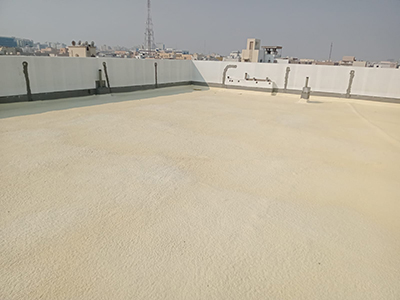
Why is it important, and should it be installed in your home?
Polyurethane is a foam material that expands after spraying and forms a solid layer that acts as a thermal insulator.
It is one of the most effective methods currently used to insulate homes against extreme heat and cold and is widely used in Gulf countries due to their hot climates.
| Reflective Paint:
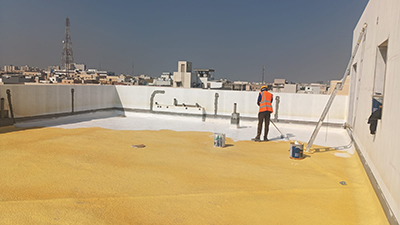
Solar Coating (Reflective Paint)
What is Reflective Paint?
It is a special type of coating applied to roofs to reflect sunlight instead of absorbing it, thereby reducing indoor temperatures.
It contains high-reflectivity materials such as titanium oxide or aluminum, which reflect UV and infrared rays responsible for heating surfaces.
Importance of Reflective Roof Coating
Reflects sunlight and reduces heat absorption by the roof, helping to cool the building and reduce energy consumption.
Benefits of Reflective Coating
✅ Reduces indoor heat
✅ Lowers roof surface temperature
✅ Reduces electricity consumption
✅ Extends roof lifespan
✅ Environmentally friendly
✅ Water- and weather-resistant
Where is Reflective Coating Used?
• Exposed roofs (concrete or metal)
• Water tanks
• Warehouses
• Factories and storage buildings
• Sun-facing walls
• Parking areas